There was once a patient who had a piece of shrapnel lodged in his brain near his hypothalamus. He laughed when he turned his head to one side. He cried when he turned it toward the other. The story — which University of Colorado Boulder neuroscientist Tor Wager remembers being told during a fourth-grade lesson on how the brain works — left a lasting impression on him — emotions are deeply entangled with the physical processes in the brain.
Decades later, Wager, now a professor in the psychology and neuroscience department, is studying the “magical bridge” between the way we think and the way our body works, especially how our emotions affect the way we experience pain. Wager’s search for hard evidence that can illuminate how pain is processed in the brain recently led him to discover a distinct neurologic signature for physical pain that can be seen in images of the brain. The discovery allows scientists for the first time to measure objectively how much physical pain a person feels and was detailed earlier this year in the New England Journal of Medicine.
For many people, the idea that the way we think impacts our health is intuitive. Some believe that an optimistic outlook is key to battling debilitating diseases or that expectations of recovery will facilitate healing. Conversely, others believe drugs or other clinical interventions are the only viable way to combat health problems. The truth is probably somewhere in between. There is evidence that suggests the way we think has concrete consequences. Researchers know that our beliefs and thoughts can be translated directly into neurochemicals, for example. And placebo studies have shown that patients’ expectations affect their symptoms.
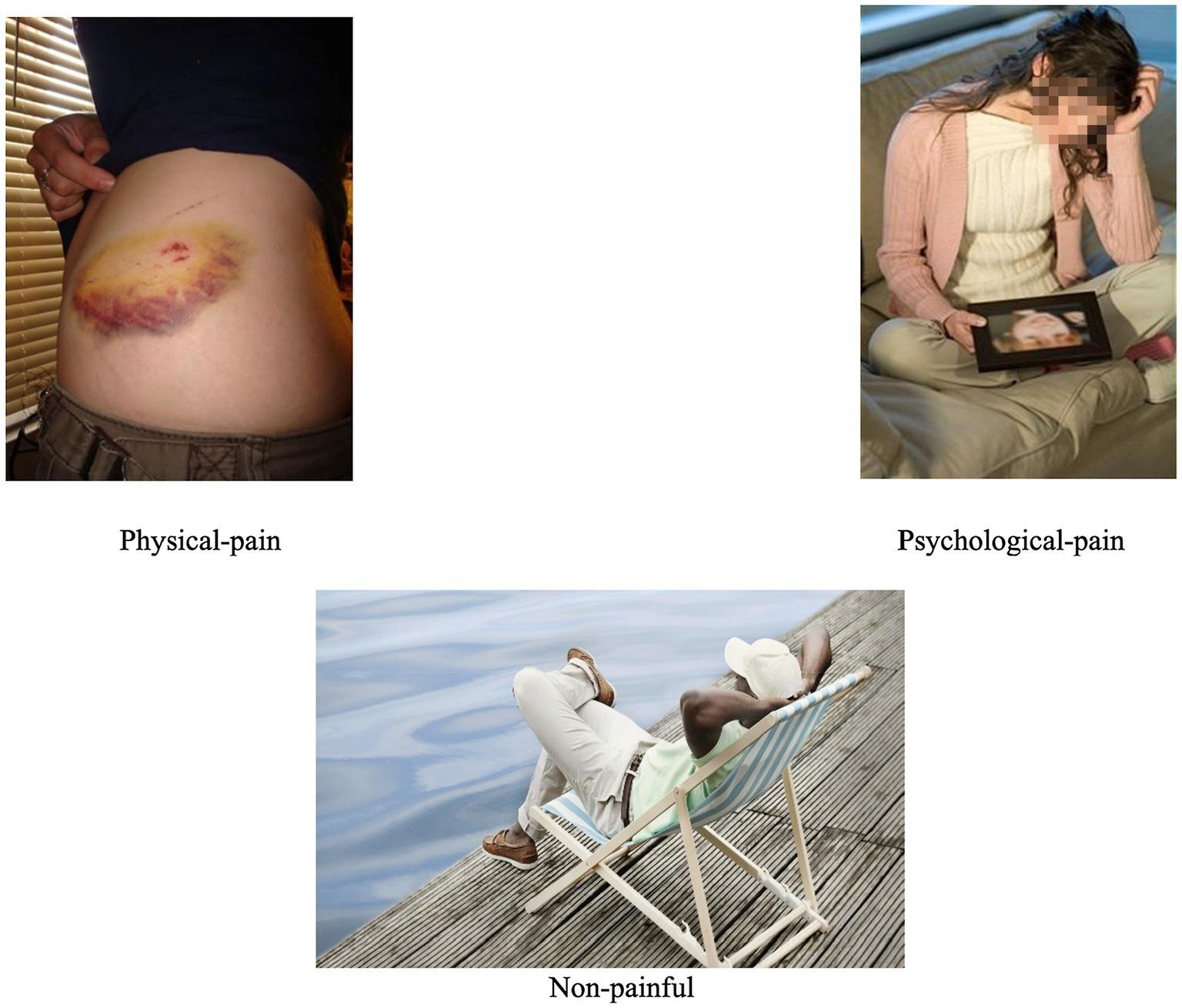
Wager chose the study of pain and emotion as one of his starting points because it’s relevant to the everyday life of many people and because humans acutely feel both physical and emotional pain. How those two tie together is an open question. For example, it’s possible that emotional pain could morph into physical pain, which, in turn, could be the root of some chronic pain conditions. A technique for measuring both types of pain is key for finding answers.
Armed with brain images taken by a functional magnetic resonance imaging, or fMRI, machine, Wager set out in search of a signature for pain. The scientific community had already established an approximate location for pain in the brain, but not precisely enough for use in the ways Wager envisioned. Wager and his team used computer data-mining techniques to comb through images of brains taken when the subjects were exposed to multiple levels of painful heat. The computer was able to identify a neurologic pain signature too complex to be recognized by the human eye. The intensity of the signature grew as the heat stimulus became more painful, allowing the research team to accurately predict between 90-100 percent of the time which level of painful heat was applied to the subject.
Wager then set out to test the signature for physical pain using other images of the brain taken under different circumstances. He found the signature correctly registered a decrease in pain when the subject was given a painkiller. And he surprised himself by finding the signature couldn’t be fooled by emotional pain. Emotional pain, like physical pain, can be seen in the brain, and to the human eye, they look similar. In a past study, scientists showed study participants a picture of a person who rejected them romantically while the fMRI imaged the activity in their brains. Wager used a computer to compare the brain activity of the heartbroken participants with the brain activity that makes up the newly discovered signature for physical pain. The computer didn’t register a match.

The discovery of a unique signature for physical pain in the brain could allow physicians, for the first time, to have a method for measuring pain beyond asking the patient, “On a scale of one to 10, how much does it hurt?” But the fact that the signature can distinguish itself from emotional pain suggests the possibility that a second signature can be found that is specific to emotional pain, ultimately allowing scientists to begin to unravel the connection between the two. Sona Dimidjian, associate professor in CU-Boulder’s psychology and neuroscience department, collaborates with Wager on a study of compassion and believes that Wager’s work on pain could have a profound impact on clinical treatments and how people experience pain physically and emotionally on a daily basis.
Wager and his team also work on a number of other projects, each linked to the connection between our thoughts and health. They are conducting a study on how placebos affect people with Parkinson’s disease. They also are delving further into the physical consequences of romantic rejection and how the quality of interpersonal interactions relates to our well-being.
In conclusion, Tor Wager's groundbreaking research on pain and emotion provides insight into the intricate connection between the mind and body. By identifying a neurologic signature for physical pain, Wager has opened up possibilities for objective measurement and understanding of pain. This discovery could revolutionize clinical treatments and change the way we perceive and manage pain. The future of this research holds great potential in unraveling the complexities of emotional pain and further expanding our knowledge of the mind-body connection.